Large language models and Free/Libre/open source software.
"I am not comfortable contributing to a project that extensively uses AI."
from a post found in a pull request to a GitHub repository.
This year's LAC theme explores questions relating to the (sometimes
uneasy) relationships that may emerge between LLMs and FLOSS. This
of course has many dimensions, from the purely technical, through
to the practical, and finally to the ethical. As code repositories such
as GitHub roll out support for third-party and their own LLM agents,
this is an area that needs vigorous discussion and assessment. It is
probably not a good idea to ignore it, as it is unlikely to go away.
It may be possible to formulate a position from the LAC community,
which we might carry forward for further consideration in other forums.
Even if such a thing cannot exist, it is still important that we put
forward our ideas in relation to this issue. Therefore, it makes good
sense to invite contributions to this theme and make it a central
point of discussion at the LAC.
The LAC2026 organising team.
Thursday 18/06, Morning
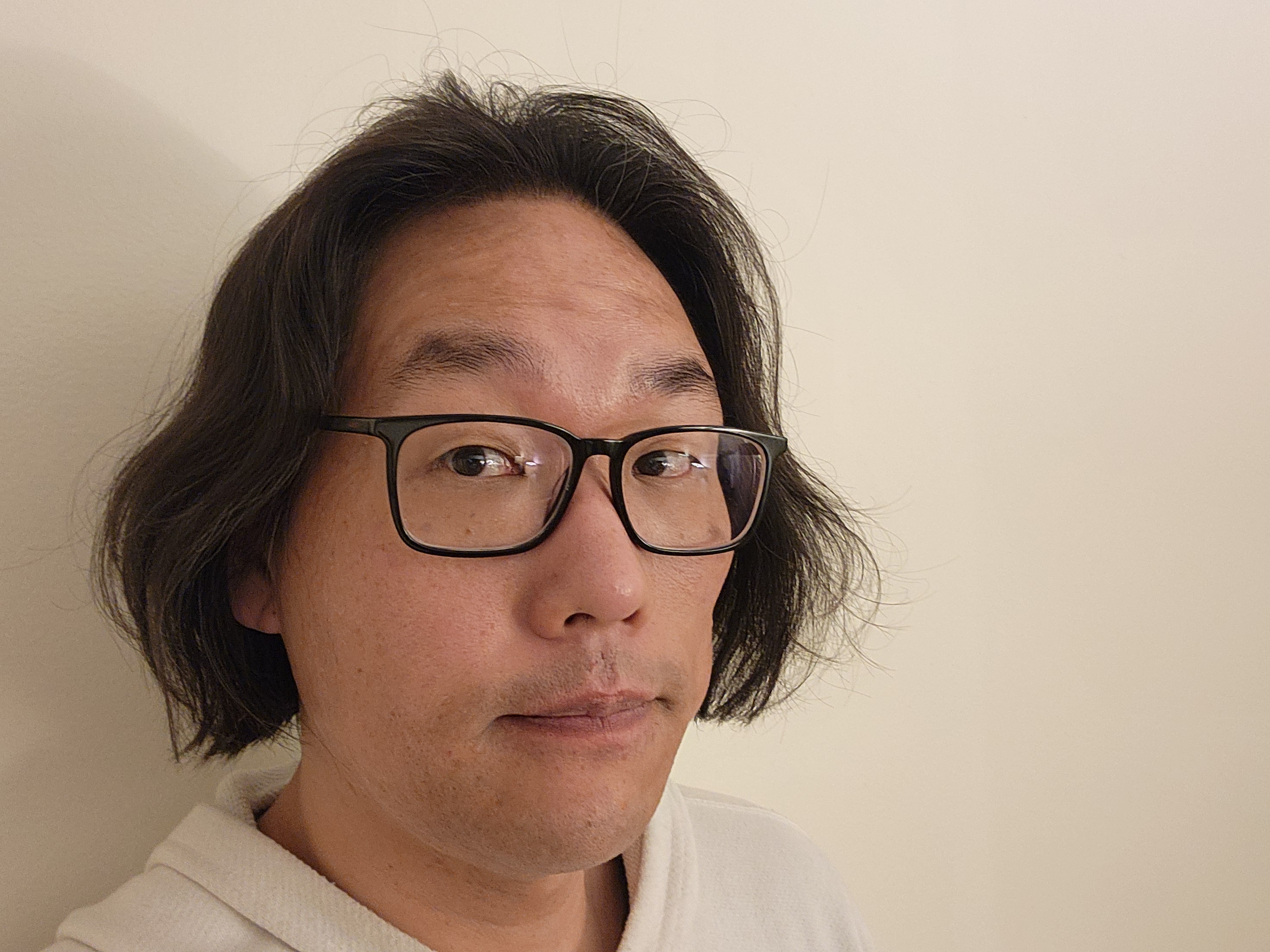
Steven Yi
Steven Yi is a composer, performer, and programmer that works on open source
music technology and multimedia applications. He is one of the core developers
of Csound, the author of the Blue music composition environment, and author
of the csound-live-code live coding system.He is a long-time advocate and
member of the Linux Audio community and looks forward to discussing this
year's topic of LLMs and FLOSS at the LAC.
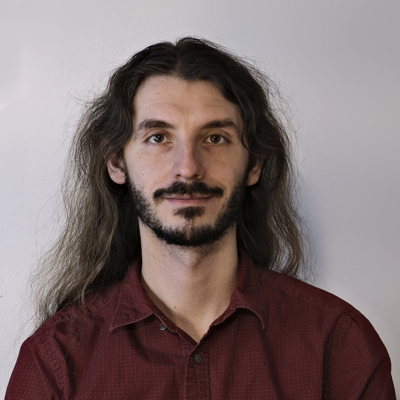
Jean-Michaël, Director of Technological Development at the SAT in Montreal,
has interest in art, code, and computer music. With a background in computer
engineering and a PhD in multimedia, he develops a range of open-source software
for digital art, including the ossia platform, for which he is the lead developer.
He also has extensive teaching experience in digital creativity.
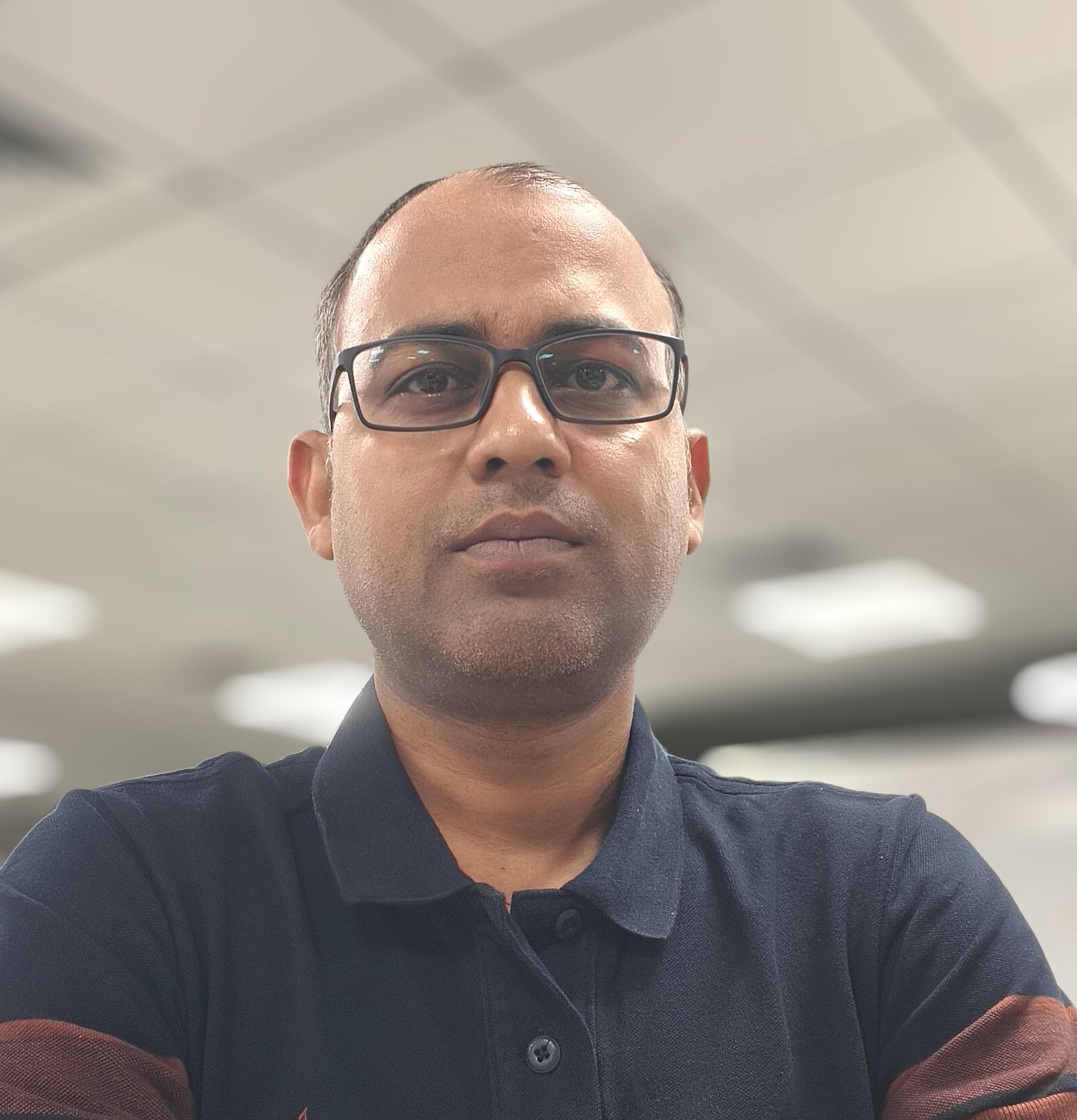
Vishnu Pratap Singh is an embedded systems expert and engineering leader with nearly
two decades of experience in Linux development, BSP, and Linux based product engineering
for Audio devices, Communication devices, Satellite terminals, Smart devices, IoT,
and pro-audio. He is currently driving Linux based Pro-Audio, DSP and open source
analytics software development at Texas instruments.
MINIMUM REQUIRED DELAY FOR REALTIME BLOCK SIZE ADAPTATION IN DIGITAL AUDIO SIGNAL PROCESSING
14:30
Sven Thielen, Christian Epe, Chris Chafe
Zero 2 WiFi IEM: Prototyping a Low-Latency Wi-Fi In-Ear Monitoring System Using Raspberry Pi and JackTrip
15:00
Romain Michon, Maxime Popoff, Pierre Cochard, Tanguy Risset
Towards Affordable FPGA-Based Spherical Speaker Arrays
15:30
Break
16:00
Will Godfrey, Hemann Voßeler
Workshop III : Yoshimi, still fighting the Pink Robots
17:15
LAC committee meeting
Modular night in Dublin
The Bloop Groop (Dublin modular community) also hosts an event that evening in Dublin.
Anyone interested can find tickets here.
The organisers invite LAC participants to purchase the 6 EUR option.
Here is the itinerariy
to get there from Maynooth.
If you are staying Sunday, a few of us will visit the Museum of Vintage Radio
in Howth. It opens form 10 to 4, last guided tour at 3, and we are aiming for early afternoon.
In Howth we can also do the cliff walk.
The Summit inn is a good place for lunch right by the cliffs.
Best way to get there from Maynooth is most likely to take the train to Connoly station,
then the Dart (city train). Here is the itinirary.
If you are staying in Dublin for the evening the Anseo pub often has good concerts upstairs.